


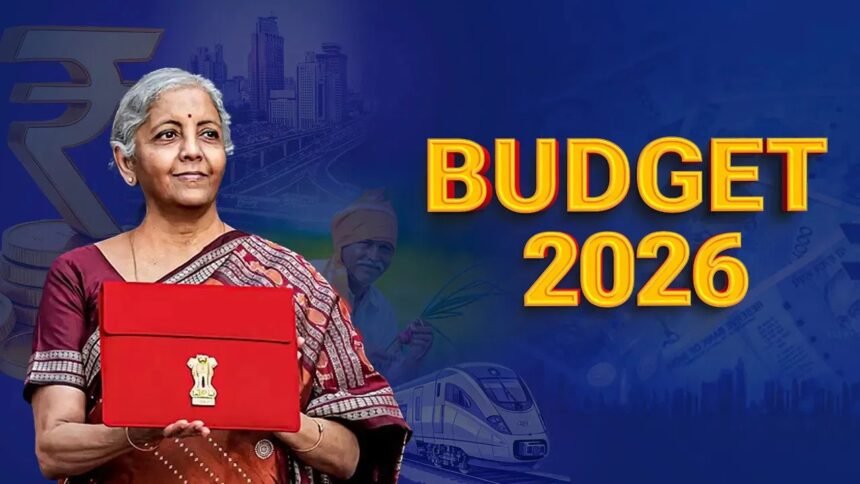
India’s Union Budget 2026–27 will be presented by Finance Minister Nirmala Sitharaman on February 1, marking her ninth consecutive budget. Stakeholders are watching closely as the government balances growth, tax relief, infrastructure spending, and geopolitical challenges ahead of global uncertainties.
Income Tax Relief and Reforms
One of the biggest expectations is income tax relief for individuals — particularly under the new tax regime introduced last year — which widened slabs and increased the tax-free threshold to benefit middle-income earners. Many taxpayers and experts are hoping for further tweaks:
- Increase in standard deduction for salaries to boost take-home income.
- Clear transition rules between old and new tax systems.
- Wider rebate limits and possibly new deductions for investments like ELSS (Equity Linked Savings Scheme).
These changes could boost consumption and raise disposable income for millions of salaried Indians.
Railways: A Focus on Safety & Modernisation
Railways is expected to receive significant attention in the budget:
- Investment in modern signalling systems and safety tech such as Kavach (anti-collision).
- Additional funds for new trains, network expansion, and infrastructure upgrades.
Rail sector reforms are seen as key to enhancing mobility, connectivity, and overall logistics efficiency across India.
Banking, Finance & Investor Expectations
Investors and financial experts are urging:
- Simplified tax laws and predictability to attract Foreign Direct Investment (FDI).
- Rationalisation of TDS (Tax Deducted at Source) categories.
- Clear policies to boost the banking and capital markets, including possible reliefs in securities tax structures.
Such moves are expected to strengthen market confidence and support economic growth.
Gold Sector & Commodities Outlook
While gold prices have been influenced by global trends, industry voices want:
- Simplified customs duties and tax reliefs on gold imports.
- Measures to bolster the jewellery and gems sector, which is sensitive to tariff changes and a major employment generator.
Policy support here could stabilise prices and help the sector grow domestically and internationally.
Other Key Areas on the Wish List
Experts and trade bodies are also hoping for:
- Higher allocation for defence spending amid global tensions.
- Continued push for infrastructure development — roads, ports and urban transport.
- Support for startups, MSMEs (micro, small and medium enterprises) and digital growth.
- Enhanced frameworks for digital public infrastructure (DPI), fintech, and AI-led services.
What This Means for India’s Economy
With expectations ranging from tax relief to investment incentives and sector-specific support, the Union Budget 2026–27 is shaping up to be a balanced mix of growth-oriented and citizen-friendly reforms. Indian markets, taxpayers, and businesses will be looking for policies that not only ease financial burdens but also foster long-term economic resilience.