


KABUL/ISLAMABAD: In a major escalation of hostilities, Afghanistan’s military launched large-scale offensive operations against Pakistani forces along their shared border late Thursday night, February 26, 2026. The attack is described by Kabul as direct retaliation for Pakistani airstrikes on Afghan border areas earlier in the week.
The two neighbouring countries, whose relationship has been fraught with tension for months, are now engaged in some of the heaviest fighting seen since the latest round of clashes in October. Both sides have issued starkly contrasting claims about the outcome of the battle.
Conflicting Claims of Casualties and Captures
Afghanistan’s Defense Ministry stated that its forces had captured 17 Pakistani army posts, killed 40 Pakistani soldiers, and taken the bodies of 13 into Afghanistan. Afghan government spokesman Zabihullah Mujahid further claimed on X (formerly Twitter) that some Pakistani soldiers had been captured alive, describing the operations as a response to “rebellions and insurrections of the Pakistani military.”
These assertions were met with a firm and detailed denial from Pakistan. Mosharraf Ali Zaidi, a spokesman for Prime Minister Shehbaz Sharif, rejected the reports as “little more than the fantasy of India’s proxies in Afghanistan.” He confirmed that clashes were taking place but insisted that no Pakistani soldiers had been killed or captured, and no military posts had been damaged. Instead, he claimed Pakistani forces had inflicted heavy losses on the Afghan side.
The Spark: Sunday’s Airstrikes and Rising Tensions
This sudden outbreak of violence is a direct consequence of Pakistani airstrikes conducted on Sunday. Islamabad stated those strikes targeted militant hideouts of the Pakistani Taliban (TTP) along the Afghan border, killing at least 70 militants.
Afghanistan strongly refuted this, asserting that the strikes had killed dozens of civilians, including women and children, in eastern Afghanistan, and violated its airspace. Thursday’s ground offensive was framed by Afghanistan’s military corps in the east as a direct response to those very airstrikes.
The border between the two nations, known as the Durand Line—a 2,611-kilometre frontier not formally recognized by Afghanistan—has been a flashpoint for decades. Tensions had been building for months, with deadly clashes in October and failed peace talks in November.
Pakistan’s Official Response and Justification
Pakistan’s Information Ministry described the Afghan attacks as “unprovoked fire” opened at multiple locations in the Khyber Pakhtunkhwa province. It vowed an “immediate and effective response” and stated that early reports indicated heavy casualties on the Afghan side, with multiple of their posts and equipment destroyed.
“A strong statement from the Ministry read, “Pakistan will take all necessary measures to ensure its territorial integrity and the safety and security of its citizens.”
Earlier on Thursday, before the clashes erupted, Pakistan’s Foreign Ministry spokesperson Tahir Andrabi defended the Sunday strikes as “precision strikes” carried out in response to increased militant attacks inside Pakistan, which it blames on the TTP and other groups operating from Afghan soil. He reiterated that Pakistan has “nothing against the people of Afghanistan.”
The Unverified Ground Reality
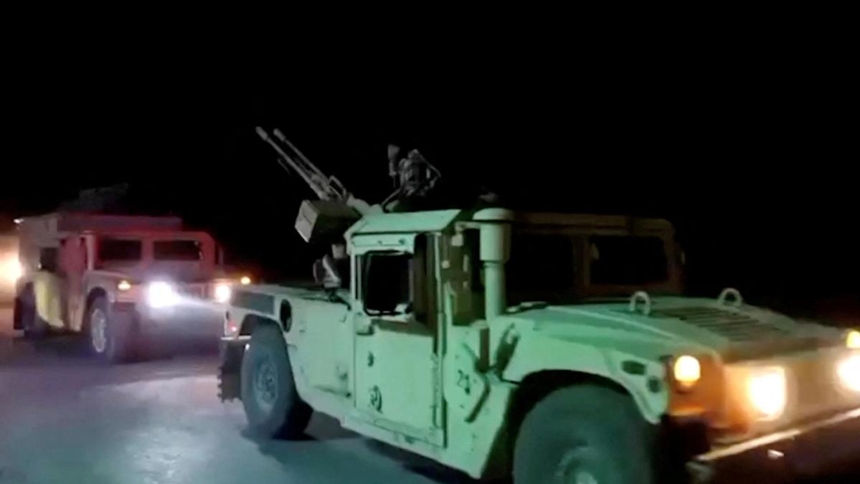
Social media and official channels from both sides are flooded with unverified claims. Afghanistan’s military released video footage purporting to show military vehicles moving at night and the sound of heavy gunfire. However, independent verification of the situation on the ground, including the capture of posts or the number of casualties, remains impossible due to the remote and volatile nature of the border region.
This sudden and severe military confrontation marks a significant breakdown in the fragile, Qatari-mediated ceasefire that had largely held since late last year. With both sides seemingly dug in and trading fire, the risk of a wider, more protracted conflict looms large.