

A mobile application in China with the unusual name “Are You Dead?” has become a viral sensation, topping the paid apps chart on China’s Apple App Store in early 2026. As blunt as it sounds, the app’s main purpose is surprisingly practical: it prompts users to confirm they’re still alive, reflecting growing anxieties around living alone and personal safety in modern urban life.
How the App Works
The app — officially known as Sileme (死了吗) in Chinese — is designed for people who live by themselves, including young professionals, students away from home, and elderly residents. Users register one or more emergency contacts and must tap a daily button confirming they are “alive.” If the user doesn’t check in for two consecutive days, the app automatically sends a notification or email to the emergency contact, prompting them to check on the user’s well‑being.
Priced at around 8 yuan (approximately $1.15), the fast‑rising app has attracted downloads not only in China but also in markets like the United States, Singapore, and Australia, fueled by discussions across social media about isolation and support systems.
Why It Struck a Chord With Users
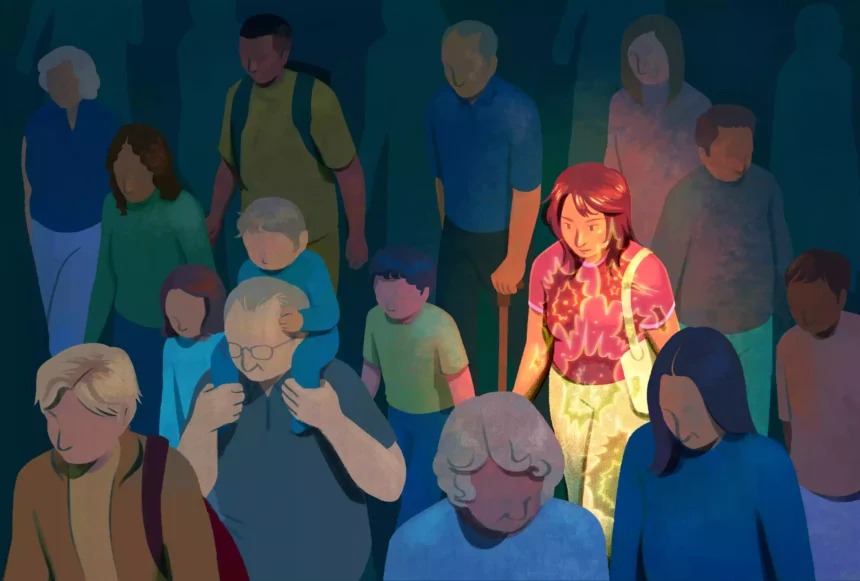
The app’s popularity reflects broader demographic and societal shifts. Millions of people in China now live alone — from young adults pursuing careers in big cities to older adults with limited nearby social support. Experts estimate that by 2030, there could be up to 200 million single‑person households in the country, creating new challenges around loneliness, mental well‑being, and safety.
For many users, the app provides peace of mind. On Chinese social media, individuals have expressed that having an automatic check‑in system gives them confidence that someone will know if something goes wrong, especially during emergencies or unexpected health issues.
Controversy Over the Name and Cultural Sensitivities
Despite its practical function, the app’s morbid name — literally asking “Are You Dead?” — has sparked debate and discomfort among some users. In Chinese culture, references to death can be taboo, and critics have urged the developers to adopt a softer, more positive name such as “Are You Alive?” or “Are You OK?” to avoid negative connotations.
Developers have acknowledged the feedback and considered rebranding the app for broader appeal. Meanwhile, its success highlights how digital tools are being used to address real‑life needs in the face of rising urban isolation.
What This Trend Says About Modern Life
The viral rise of Sileme underscores a larger conversation about loneliness, community connection, and the evolving ways technology intersects with personal safety. While simple in design, the app taps into deeper societal anxieties — especially among people who lack daily in‑person interaction or immediate family nearby.
Whether viewed as an innovative safety tool or a stark reflection of solitude in contemporary society, the “Are You Dead?” app has opened up discussions worldwide about how we care for one another in increasingly connected — yet emotionally isolated — urban environments.