

New Delhi: Delhi’s push towards a cleaner transport future has taken a major step with the draft of the EV Policy 2026–2030 placed in the public domain. The draft policy, open for public feedback for 30 days, lays out a roadmap to transform Delhi into an electric mobility hub with a proposed outlay of Rs 3,954.25 crore.
Full Road Tax Waiver
All EVs will get 100 per cent exemption on road tax and registration fees till March 31, 2030. Electric cars priced up to Rs 30 lakh will also enjoy full exemption, while strong hybrid vehicles will receive 50 per cent relief. Cars priced above Rs 30 lakh will not be eligible for any concession.
Heavy Subsidies for Two-Wheelers, Autos and Cargo EVs
The draft lays out a structured subsidy model tapering over three years:
- Electric two-wheelers (up to Rs 2.25 lakh): Up to Rs 30,000 (Year 1), Rs 20,000 (Year 2), Rs 10,000 (Year 3)
- Electric three-wheelers (autos): Rs 50,000 (Year 1), Rs 40,000 (Year 2), Rs 30,000 (Year 3)
- Small electric goods carriers: Rs 1 lakh (Year 1), Rs 75,000 (Year 2), Rs 50,000 (Year 3)
All subsidies will be transferred directly through DBT.
Scrapping Incentives
To speed up EV adoption, the policy introduces scrapping-linked incentives:
- Scooter: Rs 10,000
- Auto: Rs 25,000
- Car: up to Rs 1 lakh (limited beneficiaries)
- Goods vehicles: Rs 50,000
The benefit applies only when a new EV is purchased within a defined timeframe after scrapping.
Charging Push and Battery Ecosystem
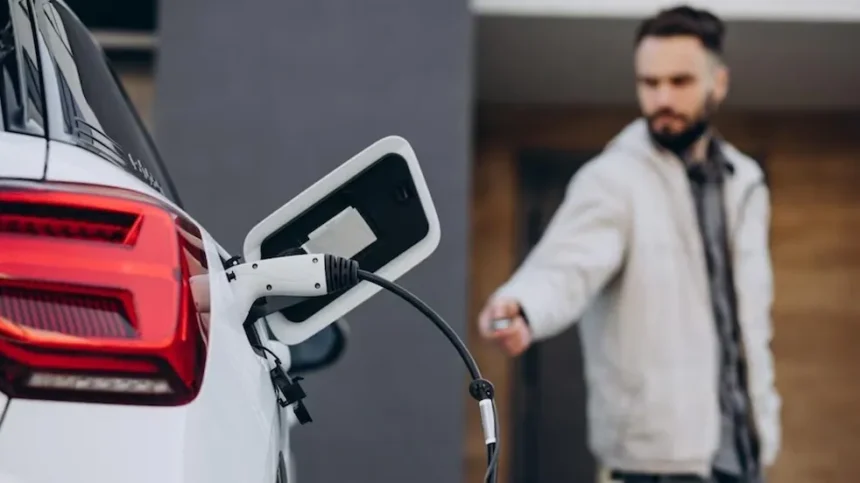
Key provisions include mandatory charging facility planning for EV dealers, large-scale rollout of public charging stations, promotion of battery swapping systems, and home charging facilitation. Delhi Transco Limited is the nodal agency, while the Delhi Pollution Control Committee will oversee battery waste management.
Strict Future Timelines for EV Transition
- From January 1, 2027: only electric three-wheelers to be registered
- From April 1, 2028: only electric two-wheelers to be registered
- School buses: 30 per cent electric by 2030
- Ride-hailing platforms (Ola, Uber): no new petrol or diesel vehicles from 2026
- Government fleets: only EVs to be purchased or leased
Public Feedback Invited
Delhi Transport Minister Pankaj Singh said the policy will remain in force till March 31, 2030. The transport department has opened the draft for public suggestions and objections before final notification.