

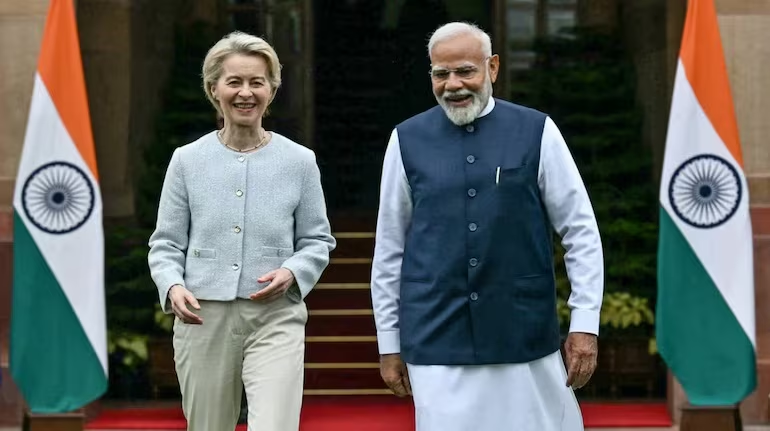
India and the European Union (EU) are on the brink of finalising a long-awaited free trade agreement (FTA), with an official announcement expected during the India-EU Summit on January 27, 2026. Leaders from both sides have described it as the “mother of all deals”, reflecting its potential to reshape trade patterns between two of the world’s largest economies.
European Commission President Ursula von der Leyen has highlighted the treaty’s importance, noting that a strong partnership with India will contribute to global economic stability, prosperity, and security.
Major Benefits for Trade and Industry
1. Reduction in Tariffs and Costs
The proposed deal is expected to reduce tariffs on a wide range of goods, including import duties on European cars into India — potentially dropping from about 110% to around 40% initially, with gradual phased reductions thereafter. This would make premium European brands like Mercedes-Benz, BMW, and Volkswagen more affordable in the Indian market.
Lower tariffs on industrial inputs and finished products can cut costs for businesses and consumers, boosting competitiveness for both Indian and European companies.
2. Boost for Exports and Economic Growth
The deal is expected to expand market access for Indian exports, particularly in labour-intensive sectors such as textiles, jewellery, and pharmaceuticals. A report by economists suggests that such an agreement could lift India’s trade surplus with the EU by more than $50 billion by FY31, as exporters gain smoother access to a vast consumer market.
Improved access to the EU market could also help Indian producers offset higher tariffs imposed by other trading partners.
3. Strengthening Strategic Partnerships
Beyond trade, stronger economic ties with the EU could enhance investment flows, technology cooperation, and diplomatic engagement. The agreement — alongside broader strategic initiatives — may help deepen cooperation in areas such as defence, digital economy norms, and supply-chain resilience.
For Europe, greater engagement with India supports diversification away from overdependence on specific markets like China. For India, aligning with the EU reinforces its role in global trade and reduces vulnerabilities tied to fluctuating tariff regimes elsewhere.
4. Market Integration and Consumer Benefits
Indian and European consumers alike could benefit from greater product choice and competitive pricing. Over time, reduced tariffs and trade facilitation can mean lower prices for imported goods, while domestic industries scale production to meet broader demand.
Challenges and Next Steps
While political leaders have signalled optimism, the FTA still requires final technical and legal clearances, including ratification by the European Parliament and approval in India. Sensitive sectors like agriculture and dairy may receive protective exemptions or phased integration to manage domestic concerns as negotiations conclude.
Nevertheless, the imminent announcement of the India-EU free trade agreement — potentially on January 27, 2026 — marks a significant milestone in global trade diplomacy and promises long-term benefits for both sides.