

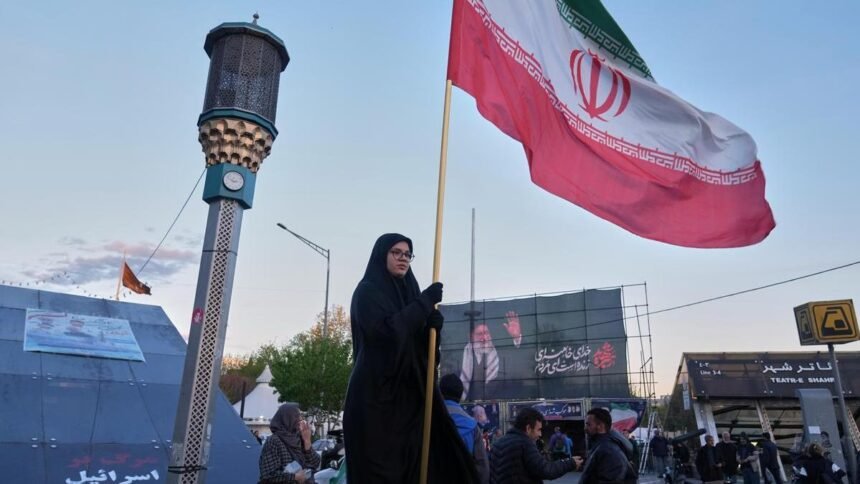
The Indian government on Wednesday welcomed the U.S.-Iran ceasefire agreement, calling for an early end to the conflict and for “unimpeded” trade flow through the Strait of Hormuz.
In a carefully worded statement, the Ministry of External Affairs (MEA) did not refer directly to any of the parties in the conflict by name. Unlike other foreign ministries, the MEA did not “thank” Pakistan for its role in mediating between both sides and for offering to host the next round of talks expected this week.
India’s Position
| Aspect | Details |
|---|---|
| Action | Welcomed the ceasefire agreement |
| Call for | Early end to the conflict |
| Key Demand | “Unimpeded” trade flow through the Strait of Hormuz |
| Approach | Stressed dialogue and diplomacy |
| Notable Omission | Did not thank Pakistan for its mediation role |
The Context
The ceasefire agreement was brokered by Pakistan close to the deadline. The development comes amid heightened tensions in West Asia following the US-Israeli strikes on Iran that began on February 28.
Strategic Importance of the Strait of Hormuz
- Location: Between Iran and Oman/UAE
- Global Significance: Carries nearly one-fifth of the world’s daily oil and LNG supplies
- India’s Concern: Unimpeded trade flow is critical for India’s energy security
What India Did Not Say
Unlike other foreign ministries in other capitals, the MEA did not:
- Refer directly to any of the parties in the conflict by name
- “Thank” Pakistan for its role in mediating between both sides
- Acknowledge Pakistan’s offer to host the next round of talks
The Bigger Picture
India’s carefully worded statement reflects its delicate diplomatic balancing act in the region. While welcoming the de-escalation, New Delhi chose not to explicitly acknowledge Pakistan’s mediation role, highlighting the complex bilateral dynamics between the two neighbors.