


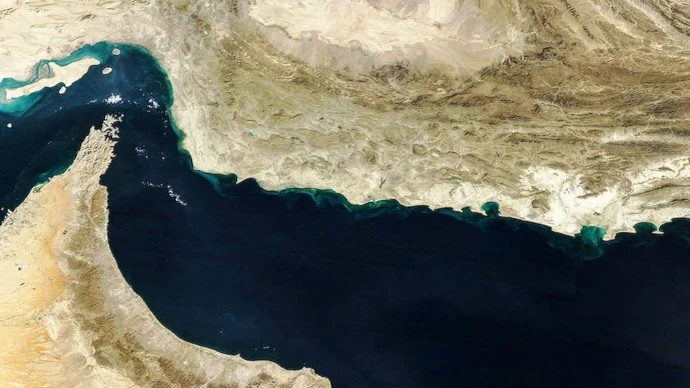
Iran on Wednesday closed the Strait of Hormuz, the world’s most critical maritime oil chokepoint, less than 24 hours after US President Donald Trump announced a two-week ceasefire with Tehran. Iran accused Israel of violating the ceasefire with deadly strikes on Hezbollah targets in Lebanon, which have claimed over 250 lives.
State-run Fars News Agency reported that tanker traffic on Hormuz would come to a “complete stop.” The White House has demanded Iran reopen the strait immediately.
The Israeli Strikes on Lebanon
| Aspect | Details |
|---|---|
| Number of Missiles | 100 airstrikes in minutes |
| Targets | Hezbollah command centres and military sites |
| Locations | Beirut, Bekaa Valley, southern Lebanon |
| Casualties | At least 254 killed, over 800 injured |
| Civilian Impact | Strikes hit civilian-populated areas |
Israel launched its heaviest strikes yet on Lebanon, with powerful explosions rocking Beirut and plumes of smoke across the capital. The Israeli military said it had carried out its largest coordinated assault of the conflict, targeting more than 100 Hezbollah command centres and military sites.
According to Lebanon’s health ministry, at least 254 people were killed and more than 800 injured in the strikes.
Iran’s Response: Closing the Strait
- Action: Strait of Hormuz closed to tanker traffic
- Timing: Less than 24 hours after Trump’s ceasefire announcement
- Iran’s Justification: Ceasefire violations by Israel in Lebanon
- Iran’s Demand: Ceasefire on “all fronts” or no ceasefire at all
- White House Response: Demanded Iran reopen the strait immediately
Before the closure, only two ships were allowed to pass through before Iran reversed course.
Iran’s Official Statement
Ebrahim Rezaei, spokesperson for the National Security and Foreign Policy Committee of the Iranian Parliament, wrote on X:
“In response to the savage Zionist aggression against Lebanon, the passage of ships in the Strait of Hormuz must be halted right now… The Lebanese sacrificed their lives for us and we must not leave them alone for a moment. Ceasefire either on all fronts or on no fronts.”
Ceasefire Confusion
- Trump’s Announcement: Two-week ceasefire with Iran
- Israel’s Position: Lebanon not part of the ceasefire deal
- Iran’s Position: Ceasefire must apply to everyone, including Lebanon and Hezbollah
- Pakistan’s Role: PM Shehbaz Sharif had suggested Lebanon would be covered under the truce during mediation efforts
Israeli Prime Minister Benjamin Netanyahu said the ceasefire halting the six-week US-Israeli war against Iran did not extend to Lebanon, with the military confirming that operations against Hezbollah would continue.
The Strait of Hormuz
| Aspect | Details |
|---|---|
| Location | Between Iran and Oman/UAE |
| Connects | Persian Gulf to Arabian Sea |
| Global Significance | Carries nearly one-fifth of the world’s daily oil and LNG supplies |
Hezbollah and IRGC Vow to Strike Back
- Hezbollah: Condemned strikes as “barbaric aggression,” asserted “natural and legal right to resist”
- IRGC: Warned US and Israel of a “regret-inducing response” if attacks on Lebanon continued
- Lebanese President Joseph Aoun: Said Beirut would continue pushing to be included in any broader regional peace framework
Trump’s Position
In an interview with PBS News, Trump said Lebanon was not part of the ceasefire agreement due to Hezbollah, describing the situation there as a “separate skirmish,” though he added it would be “taken care of.” The White House also reiterated that Lebanon was not included in the deal.
What’s Next
A senior Iranian official indicated that Tehran was expected to ease its blockade by Thursday or Friday ahead of the peace talks in Islamabad on April 11, though vessels would still need Iran’s permission to transit the strait.