


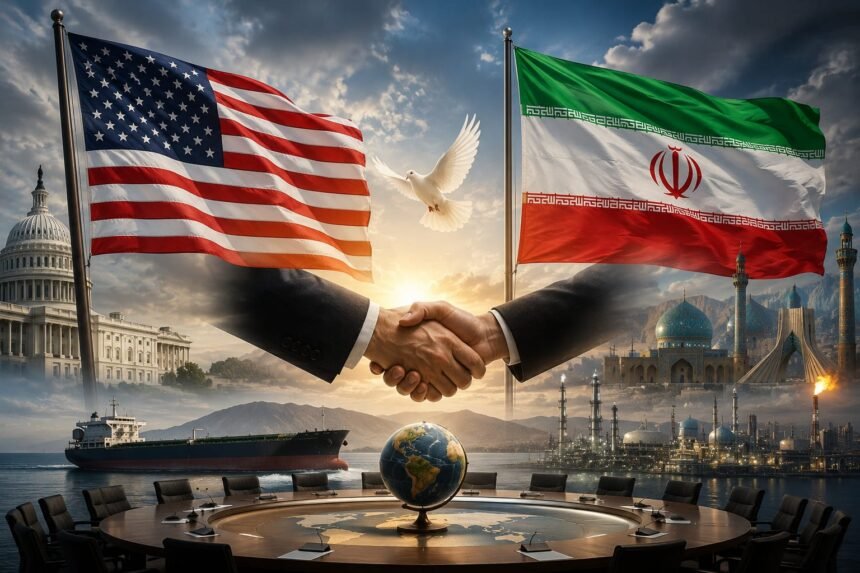
United Nations/Washington/Tehran, July 28, 2026: Diplomatic efforts to reduce tensions between the United States and Iran gathered momentum on Tuesday as both countries continued to refrain from launching fresh military strikes, raising cautious optimism that the recent pause in hostilities could pave the way for meaningful negotiations.
The temporary halt follows nearly two weeks of escalating military exchanges that heightened fears of a broader conflict across the Middle East and threatened global energy supplies. Regional mediators, including Qatar, Oman and Pakistan, are actively engaged in facilitating dialogue aimed at securing a longer-term ceasefire and restoring stability in the region.
Military Pause Creates Diplomatic Opening
According to officials involved in the mediation process, neither Washington nor Tehran has carried out new military strikes in recent days. Iranian officials have maintained that they will continue observing the pause as long as the United States refrains from renewed military operations. Meanwhile, U.S. officials have reiterated their willingness to pursue diplomacy while warning that military action remains an option if negotiations fail.
The pause has created a rare opportunity for diplomatic engagement after weeks of heightened tensions that affected shipping routes, regional security and international markets.
Strait of Hormuz Remains a Key Concern
The conflict intensified earlier this month after military exchanges involving strategic targets and increased security concerns in and around the Strait of Hormuz, one of the world’s most important oil transit routes.
Although military activity has slowed, the situation remains fragile. Maritime security continues to be closely monitored as governments and commercial shipping companies assess the risks associated with navigation through the Gulf region.
United Nations Calls for Lasting Peace
The United Nations has welcomed the reduction in hostilities and urged all parties to continue pursuing peaceful dialogue.
UN Secretary-General António Guterres has called on both sides to avoid actions that could trigger another military confrontation, stressing that diplomacy remains the most effective path toward lasting regional peace. Several world leaders have echoed similar appeals, warning that renewed conflict could have significant humanitarian and economic consequences across the globe.
Global Markets Respond Positively
Financial markets reacted positively to the continued pause in military operations. International crude oil prices eased as fears of prolonged supply disruptions declined, while investors welcomed signs that diplomatic negotiations remain active.
Shipping and energy markets have also shown cautious optimism, although analysts continue to warn that any collapse in talks could quickly reverse recent gains and renew volatility in global markets.
Humanitarian Agencies Urge Continued Restraint
International humanitarian organisations have appealed for sustained restraint, warning that civilians remain the most vulnerable during prolonged conflicts.
Relief agencies are preparing emergency assistance while calling for greater humanitarian access, medical support and protection for displaced families. Aid organisations have also emphasised that rebuilding trust through diplomacy is essential to preventing further humanitarian crises.
Critical Days Ahead
Foreign policy experts believe the coming days will be decisive in determining whether the current pause develops into a formal ceasefire or proves to be only a temporary break in hostilities.
Upcoming diplomatic discussions are expected to focus on reducing military tensions, ensuring maritime security in the Gulf and exploring confidence-building measures that could eventually lead to broader agreements between the two countries. While major disagreements remain, observers believe the current diplomatic window offers the best opportunity in weeks to prevent another cycle of violence.
Governments around the world continue to monitor developments closely and have advised their citizens to exercise caution while travelling in affected regions.
Key Highlights
- The United States and Iran have continued their pause in military strikes for several days.
- Regional mediators, including Oman, Qatar and Pakistan, are working to advance diplomatic negotiations.
- The United Nations has urged both sides to maintain dialogue and avoid renewed military escalation.
- Global oil prices have eased as fears of supply disruptions have temporarily declined.
- Humanitarian organisations continue preparing relief efforts while calling for sustained restraint.
- Diplomatic negotiations over regional security and the Strait of Hormuz are expected to continue in the coming days.
– By Manshwi Sharma
Also read – Mojtaba Khamenei Backs Hezbollah, Ties US-Iran Peace to Lebanon Ceasefire