

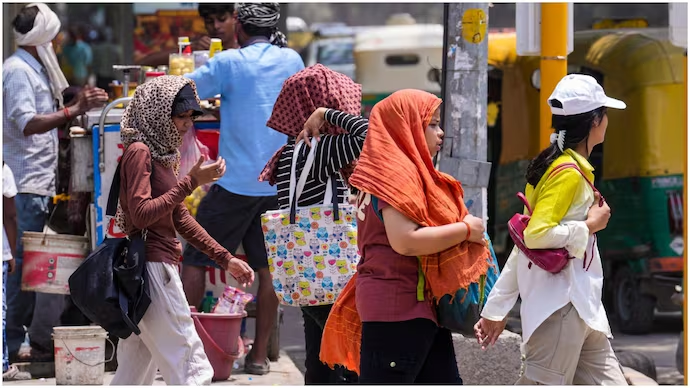
The national capital is reeling under an intense and persistent heatwave, with temperatures hovering between 43°C and 45°C across large parts of Delhi-NCR. What makes this spell particularly punishing is not just the daytime highs, but the lack of meaningful relief even after sunset.
Hot nights, dry winds, and heavy air have combined to create exhausting conditions for residents already bracing for a long summer.
Current Situation
| Aspect | Details |
|---|---|
| Daytime Temperature | 43°C to 45°C |
| Timing | Late April 2026 |
| Affected Area | Delhi-NCR |
| Key Feature | Hot nights with little relief |
IMD Alerts and Warnings
| Aspect | Details |
|---|---|
| Alert Level | Heatwave to severe heatwave conditions |
| Duration | Short-term continuation expected |
| Health Risks | Dehydration, heatstroke (especially for prolonged sun exposure) |
The India Meteorological Department has issued repeated alerts, warning that heatwave to severe heatwave conditions are likely to continue in the short term. Its latest weather updates also highlight the growing risk of heat-related illnesses.
When Will Relief Arrive?
| Timeline | Expected Change |
|---|---|
| Until April 27 | Worst of the heat to persist |
| From April 28 | Western Disturbance to influence north India’s weather |
| Expected Effects | Cloud cover, gusty winds, dust storms, scattered thunderstorms |
| Temperature Drop | 3-5°C (daytime highs to upper-30s) |
| Possibility | Light rain or drizzle in isolated pockets |
According to current forecasts, the worst of the heat is expected to persist until around April 27, with strong westerly winds continuing to push hot, dry air into the region.
However, a gradual shift is already on the horizon. From April 28 onward, meteorological conditions are expected to change as a Western Disturbance begins to influence north India’s weather systems.
Why This Heatwave Is Hitting Harder
| Factor | Impact |
|---|---|
| Absence of pre-monsoon activity | Fewer clouds, no cooling showers |
| Persistent dry westerly winds | Low humidity during day; hot, uncomfortable nights |
| Urban heat island effect | Concrete structures, traffic emissions, reduced green cover trap heat |
Several factors have come together to intensify this heatwave beyond typical April conditions. The absence of early pre-monsoon activity has meant fewer clouds and no cooling showers, allowing temperatures to rise unchecked.
Delhi’s expanding urban landscape has also played a role. Concrete structures, traffic emissions, and reduced green cover amplify what is known as the urban heat island effect, trapping heat and making densely populated areas feel significantly hotter than surrounding regions.
How to Stay Safe
| Recommendation | Details |
|---|---|
| Minimize outdoor activity | Avoid hottest hours (early afternoon to late afternoon) |
| Stay hydrated | Consume fluids regularly even if not thirsty |
| Care for vulnerable groups | Elderly, children, outdoor workers face higher risk |
| Recognize early symptoms | Dizziness, fatigue, excessive sweating |
With the heatwave still at its peak, caution remains essential. Health experts advise minimizing outdoor activity during the hottest hours of the day. Staying hydrated is critical, and people are encouraged to consume fluids regularly even if they do not feel thirsty.
Special care is needed for vulnerable groups such as the elderly, children, and those working outdoors, as they face a higher risk of heat-related complications.