


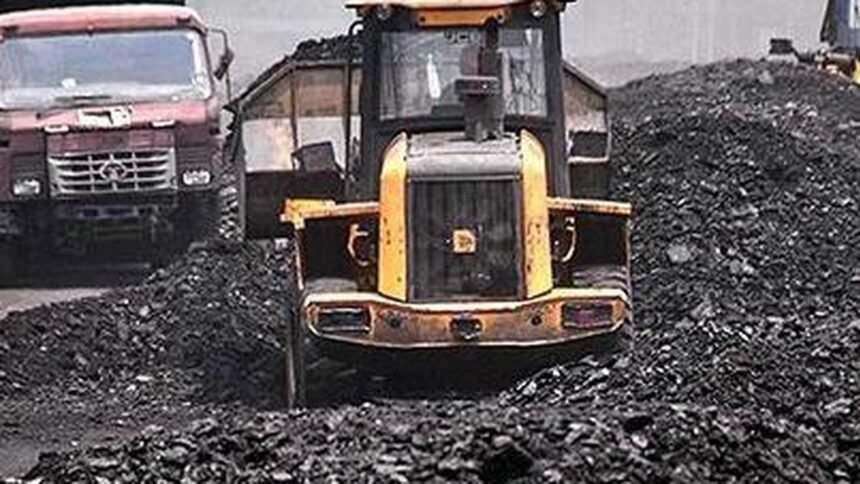
Mumbai, India – India’s thermal power sector is grappling with a growing fuel-management dilemma: generators that maintain adequate coal inventories risk being disadvantaged when limited domestic supplies are redirected to plants that fall below prescribed stock norms. While emergency interventions may be necessary to safeguard grid reliability, industry stakeholders warn that repeated redistribution could undermine incentives for generators to plan and maintain adequate fuel stocks. The issue has gained prominence as electricity demand continues to rise and thermal generation remains central to meeting peak requirements.
Coal-stock requirements for thermal power plants have been in place for years, with the current Central Electricity Authority (CEA) framework introducing revised, plant-specific stocking norms in December 2021. The broader coal-supply framework, including coal linkages and Fuel Supply Agreements (FSAs), is intended to provide generators with greater certainty over fuel availability. The revised SHAKTI policy, approved in May 2025, streamlined coal-linkage allocation into two windows: Window I for central and state utilities at notified prices, and Window II for other eligible producers through auctions at a premium.
Industry stakeholders argue that emergency assistance to plants facing critically low stocks should distinguish between genuine supply-chain disruptions and persistent shortages caused by inventory mismanagement. “Coal inventory should be recognized as a system reliability service,” said Rajib Mishra, former Managing Director of PTC India. He emphasized that fuel security depends on the entire logistics chain, including production, loading, railway availability, transit, unloading, and stockyard management. India’s coal production exceeded 1 billion tonnes in each of the last two financial years, indicating that the challenge is not a national shortage but efficient allocation and transport.
Must Read: Chirag Paswan Files Complaint Against Swatantra Bhardwaj Over ‘Misuse’ of Name
The legal framework also supports equitable treatment. In a September 2025 judgment, the Supreme Court rejected claims by individual distribution companies seeking preferential access based on PPA dates, holding that additional costs from costlier coal should be shared equitably. The developments suggest that India may not require another major overhaul of its coal-allocation architecture, but rather stronger implementation of existing norms and differentiated treatment of generators based on inventory-management performance.