


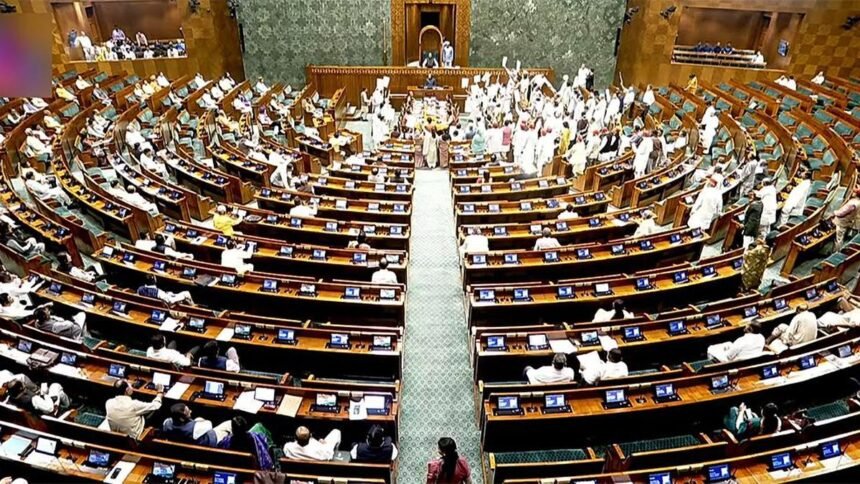
New Delhi, India – The Lok Sabha on Thursday passed the Taxation and Other Laws (Amendment) Bill, 2026, which amends the Payment and Settlement Systems Act, 2007, to authorize the government to permit banks and service providers to levy charges on Unified Payments Interface (UPI) and other notified electronic payment modes. The Bill, which also amends the Income Tax Act, 2025, and the Finance Act, 2026, was passed via a voice vote without a debate, as the Opposition continued to sloganeer on other issues, including the alleged theft of donations at the Ram temple in Ayodhya.
The key amendment removes the existing legal provision in Section 10A of the Payment and Settlement Systems Act, 2007, which currently prohibits banks and system providers from imposing any charges on electronic payments. The government’s stated aim is to levy a “small charge” on digital payment services for consumers and small businesses while ensuring a sustainable revenue model for banks, payment service providers (PSPs), and payment infrastructure firms. Currently, UPI transactions are exempt from the Merchant Discount Rate (MDR), unlike real-time payments like RTGS and NEFT. The Bill replaces the phrase “the electronic modes of payment prescribed under section 269SU of the Income-tax Act, 1961” with “one or more electronic modes of payment as the central government may, by notification, specify.”
Must Read: Bangladesh ‘Outraged’ Over Sheikh Hasina’s Press Conference in India, Seeks Extradition
The move has sparked debate, with RBI Governor Sanjay Malhotra on Wednesday stating it is “premature” to talk about MDR on digital payments, adding that someone will have to pay for the necessary public infrastructure investment. The Bill also includes provisions to promote domestic electronic manufacturing, extending income tax exemptions for foreign companies engaged in contract manufacturing in India until 2040-41 for specified electronic items, and removing approval requirements for foreign cloud companies using Indian data centers. The legislation is seen as a significant step toward making India a more attractive destination for global capital and manufacturing while potentially changing the cost structure of digital payments for millions of users.