


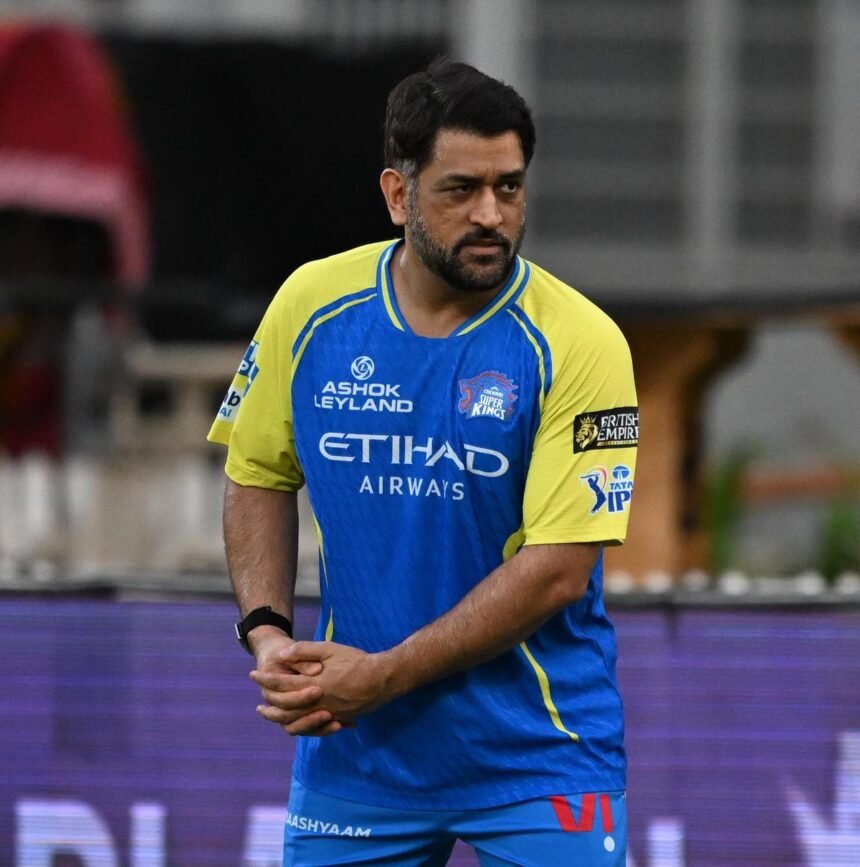
Chennai: The Madras High Court on Tuesday directed its Registry to number a plea filed by retired IPS officer G. Sampath Kumar, seeking safeguards in the recording of evidence in cricketer MS Dhoni’s ₹100 crore defamation suit. Justice K. Govindarajan Thilakavadi issued the order after Kumar’s counsel argued that the applications were maintainable in light of a Supreme Court order in a similar case.
The court made it clear that Dhoni will have an opportunity to respond once the applications are numbered. The development marks the latest step in a long-running legal battle that began when Dhoni filed the civil suit in 2014 against Kumar, Zee Media Corporation, journalist Sudhir Chaudhary, and News Nation Network Private Limited over allegations linking his name to the 2013 IPL betting scandal.
Safeguards Sought
Kumar, one of the defendants in the case, has sought three specific safeguards for the recording of Dhoni’s evidence: appointment of a judicial officer to monitor the recording process; video recording of the entire proceedings with copies provided to both parties; and recording of evidence on court premises or in a government building, rather than at a private location.
“Just because he is a cricketer, the evidence should not be recorded in a five-star hotel or some private bungalow,” Kumar’s counsel submitted before the court.
Evidence Stage
The case has reached the evidence stage, with the court having previously arranged for Dhoni’s evidence to be recorded through an advocate commissioner rather than requiring him to appear before the Master’s Court. A Division Bench had dismissed Kumar’s challenge to that decision on November 4, 2025, noting that requiring Dhoni to appear at the High Court campus would involve elaborate security arrangements.
The immediate development is procedural rather than a final ruling. The Registry will first number the applications, after which Dhoni will be given an opportunity to file his counter-affidavit. The High Court will subsequently consider Kumar’s requests for judicial monitoring, video recording, and the location of the evidence proceedings.