


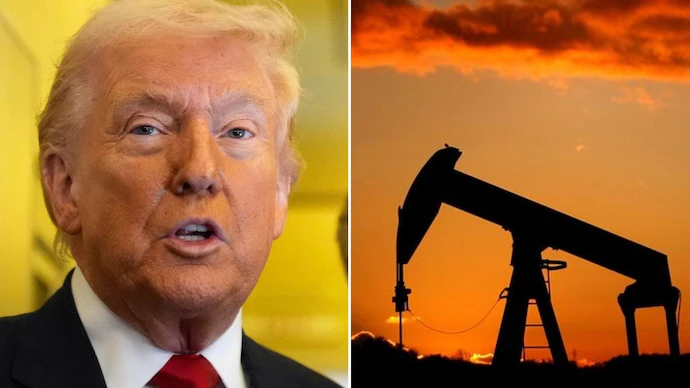
WASHINGTON, D.C.: With global oil prices surging past $100 a barrel due to the escalating conflict involving Iran, President Donald Trump is expected to review a set of emergency measures as early as Tuesday aimed at stabilizing fuel costs and protecting the U.S. economy.
The deliberations come at a critical time, as the White House faces mounting concern that rising energy costs could hit businesses and consumers hard ahead of the November midterm elections, where Republicans are hoping to retain control of Congress.
The Crisis: Oil at $119
Global crude prices have climbed to levels not seen since mid-2022, briefly touching $119 a barrel following the launch of U.S. and Israeli military strikes on Iran on February 28, an operation the administration has described as “Operation Epic Fury.”
The main driver behind the price surge is the threat to oil shipments through the Strait of Hormuz, the narrow waterway between Iran and Oman that carries roughly one-fifth of the world’s oil supply. With the strait effectively contested, tanker traffic has been disrupted, sending shockwaves through global energy markets.
Options on the Table
Officials in Washington have been exploring several measures to cool oil markets. According to sources familiar with the discussions, a range of options are being examined.
| Option Under Consideration | Description |
|---|---|
| Strategic Reserve Release | A coordinated release of crude oil from strategic reserves, potentially with other G7 nations. |
| Restrict U.S. Oil Exports | Limiting how much U.S.-produced oil can be sold abroad to increase domestic supply. |
| Intervene in Oil Futures Markets | Regulatory or financial actions to influence speculative trading. |
| Waive Federal Fuel Taxes | Temporarily suspending taxes on gasoline to lower prices at the pump. |
| Lift Jones Act Requirements | Temporarily allowing foreign-flagged vessels to ship fuel between U.S. ports, increasing supply flexibility. |
Last week, the White House asked federal agencies to assemble proposals to help ease pressure on crude and gasoline prices. The discussions involve senior officials, including White House Chief of Staff Susie Wiles and adviser Stephen Miller.
Official Statement
White House spokesperson Taylor Rogers confirmed the administration’s focus on the issue, stating:
“The White House is in constant coordination with the relevant agencies on this important issue, as it is a top priority to the president. President Trump and his entire energy team have had a strong game plan to keep the energy markets stable well before Operation Epic Fury began, and they will continue to review all credible options.”
The Limits of U.S. Action
Despite the range of options, industry experts warn that the United States has limited tools to quickly cool prices unless tanker traffic through the Strait of Hormuz returns to normal.
“The problem is options range from marginal through symbolic to deeply unwise,” one source engaged with the White House discussions noted.
The administration has also explored providing naval escorts and insurance backing for tankers passing through the strait. However, this measure has so far failed to significantly increase shipping traffic through the crucial global energy corridor.
With oil prices remaining volatile and the conflict showing no signs of de-escalation, the pressure on the White House to act—and to be seen as acting—will only intensify in the days ahead.